
Founded in the fifteenth century, the Choir of King’s College exists primarily to sing services in the Chapel. From that local and liturgical purpose has grown an international reputation closely associated with the sound of English choral music.
The founder’s musical plan
Henry VI intended music to be part of the College from its beginning. The statutes of 1453 described a choir including chaplains, lay clerks and sixteen choristers. The choristers were educated as well as trained musically, linking worship, learning and community life.
More than five centuries of singing
With limited historic interruptions, choral services have continued for more than five hundred years. That continuity does not mean the tradition has remained unchanged. Repertoire, performance practice, broadcasting, recording and the institutional world around the Choir have all developed, allowing a medieval foundation to become part of modern musical culture.
Nine Lessons and Carols
The Choir is especially associated with A Festival of Nine Lessons and Carols. The Christmas Eve service has been broadcast by the BBC since 1928, helping turn a service in a Cambridge chapel into a global seasonal tradition.
Why the setting matters
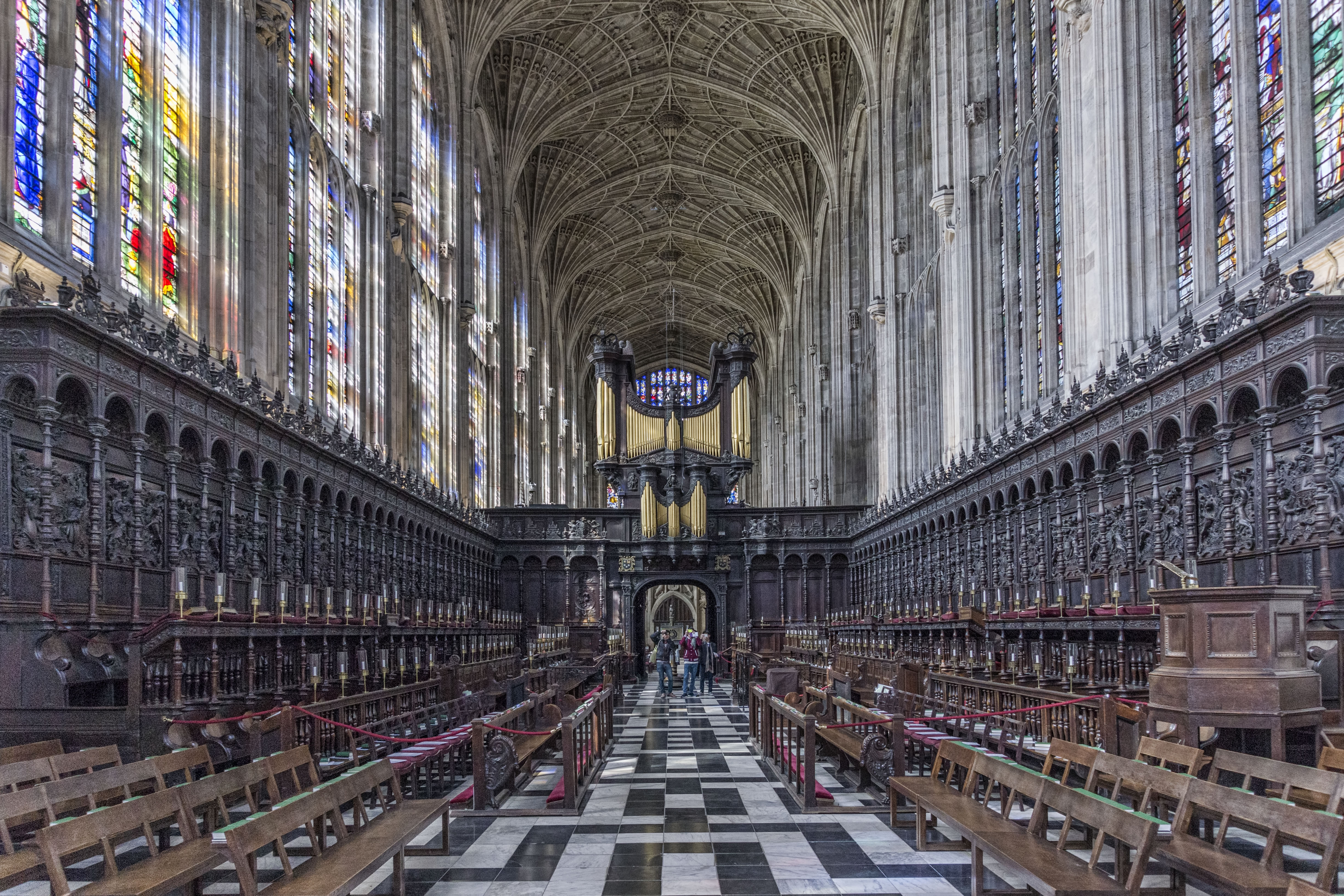
The sound of the Choir cannot be separated entirely from the Chapel. The long stone interior, high vault and ritual arrangement of the space shape the experience of voices, organ and silence. The result is both musical and architectural: listeners hear a tradition formed for a particular building.
Education and musicianship
The choral foundation combines professional-level musical discipline with education. Choristers sing alongside adult voices, while organ and choral scholars participate in the musical life of the College. The system has helped train generations of musicians while sustaining the daily work for which the Choir was created.